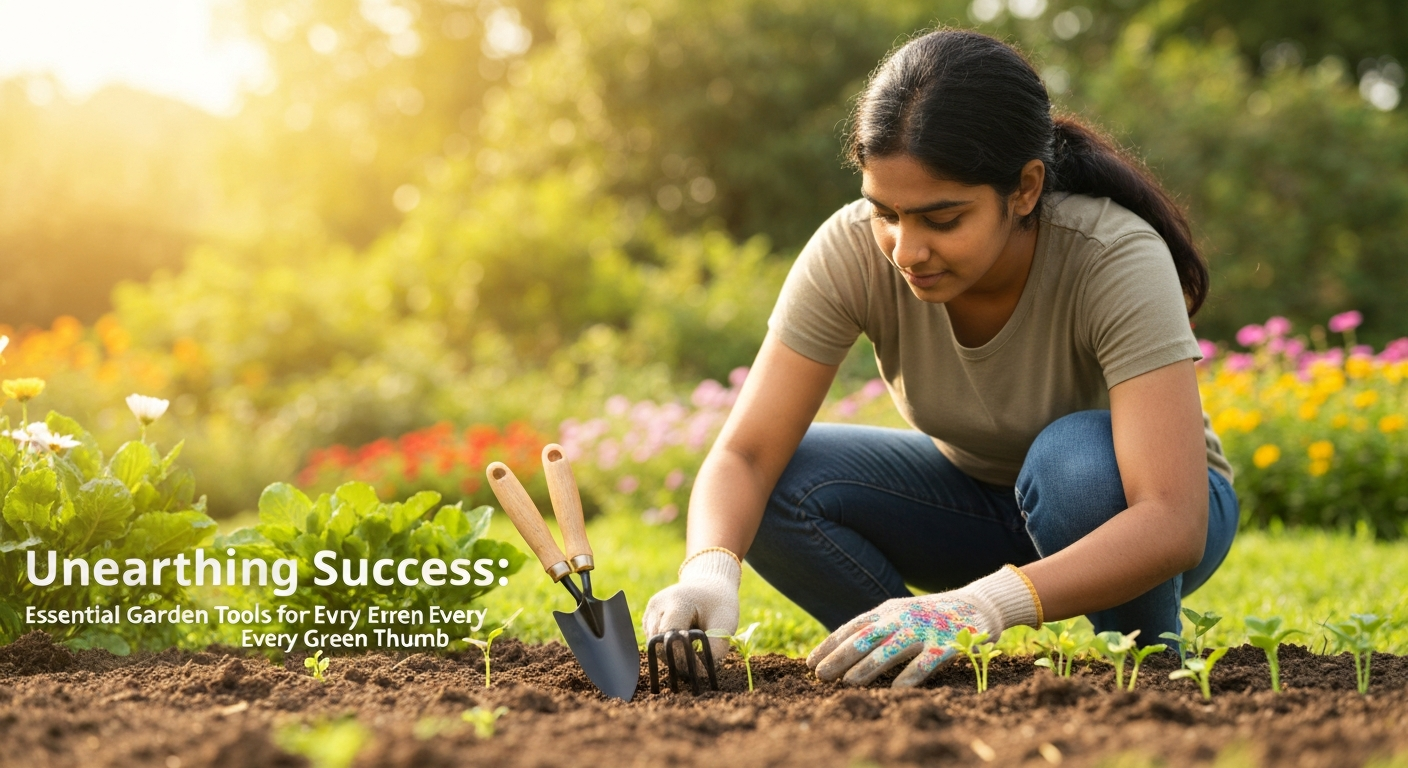
Gardening is a rewarding hobby, a peaceful escape, and a wonderful way to connect with nature. Whether you're nurturing a vibrant flower bed, growing your own organic vegetables, or simply maintaining a neat lawn, the right tools are your best companions. Just as a chef needs their knives or an artist their brushes, a gardener thrives with a well-chosen set of instruments. But with so many options available, where do you begin? This guide will help you understand the essential garden tools that can transform your gardening experience from a chore into a joy.
Why the Right Tools Make All the Difference
Imagine trying to dig a planting hole with a spoon or trim rose bushes with kitchen scissors. It sounds ridiculous, right? Using the appropriate tools doesn't just make tasks easier; it makes them more efficient, safer, and ultimately more enjoyable. Proper tools reduce strain, prevent damage to your plants, and help you achieve professional-looking results. Investing in quality tools is an investment in your gardening success and comfort.
Essential Hand Tools for Every Gardener
For most everyday tasks, a few fundamental hand tools will be your go-to items. These are the workhorses of your garden toolkit:
Trowel: This small, handheld shovel is indispensable for planting seedlings, transplanting small plants, digging out weeds, and scooping soil. Look for one with a sturdy handle and a strong, rust-resistant blade.
Hand Rake/Cultivator: Often featuring three or five prongs, a hand cultivator is perfect for loosening soil around plants, removing small weeds, and preparing seedbeds in tight spaces. It helps aerate the soil, which is crucial for healthy root growth.
Pruners (Secateurs): Essential for keeping your plants healthy and shapely. Pruners are used for cutting small branches, deadheading flowers, and shaping shrubs. There are two main types: bypass pruners (like scissors, for living stems) and anvil pruners (for dead wood). A good pair will have sharp blades and comfortable grips.
Weeder: While a trowel can do some weeding, a specialized weeder (often with a forked tip or a long, narrow blade) can be incredibly effective at prying out stubborn tap-rooted weeds like dandelions, getting to the root of the problem.
Gardening Gloves: Protect your hands from thorns, blisters, dirt, and harsh chemicals. Choose gloves that are durable, comfortable, and offer good dexterity. Different tasks might call for different types, from sturdy leather for thorny bushes to lighter fabric for delicate planting.
Larger Tools for Bigger Jobs
When your gardening ambitions grow beyond small beds, you'll need some larger tools to tackle broader areas and more demanding tasks:
Shovel/Spade: For digging larger holes, moving significant amounts of soil, or breaking ground, a good shovel or spade is crucial. A round-point shovel is great for digging, while a flat-edged spade is ideal for edging and cutting through roots.
Garden Fork: This tool, with its strong tines, is excellent for turning and aerating soil, breaking up clumps, mixing in compost, and lifting plants with minimal root disturbance. It's also fantastic for moving mulch.
Rake: A bow rake (with short, strong metal tines) is perfect for leveling soil, spreading mulch, and clearing debris from garden beds. A leaf rake (with long, flexible tines) is, as the name suggests, indispensable for gathering leaves and light garden waste.
Watering Can/Hose: While not strictly 'tools' in the digging sense, consistent watering is vital. A watering can offers gentle, controlled watering for delicate plants, while a hose with various nozzle attachments is essential for larger areas.
Wheelbarrow: Moving soil, mulch, compost, plants, or garden waste around your yard becomes much easier with a sturdy wheelbarrow. It saves your back and multiple trips.
Specialty Tools (Optional but Useful)
Depending on the type of gardening you do, you might find these specialized tools incredibly helpful:
Loppers: Larger versions of pruners with long handles, loppers provide leverage for cutting thicker branches (up to 1.5-2 inches in diameter) that pruners can't handle.
Hedge Shears: Manual hedge shears are perfect for tidying up hedges, shrubs, and ornamental grasses, offering precision and a satisfying snip.
Garden Hoe: Excellent for weeding large areas quickly, cultivating soil, and creating furrows for planting seeds. Various types exist, each suited for specific tasks.
Caring for Your Garden Tools
To ensure your tools last for years, proper care is essential. Always clean your tools after each use to remove soil and plant sap, which can dull blades and promote rust. Sharpen cutting tools regularly for efficient and clean cuts. Store them in a dry place to prevent rust, and consider oiling metal parts before long-term storage.
Conclusion
Equipping yourself with the right garden tools is the first step towards a flourishing garden and a more enjoyable gardening journey. From the smallest trowel to the most robust shovel, each tool plays a vital role in making your green thumb dreams a reality. Start with the essentials, gradually add specialty items as your needs evolve, and always remember to care for your tools. Happy gardening!